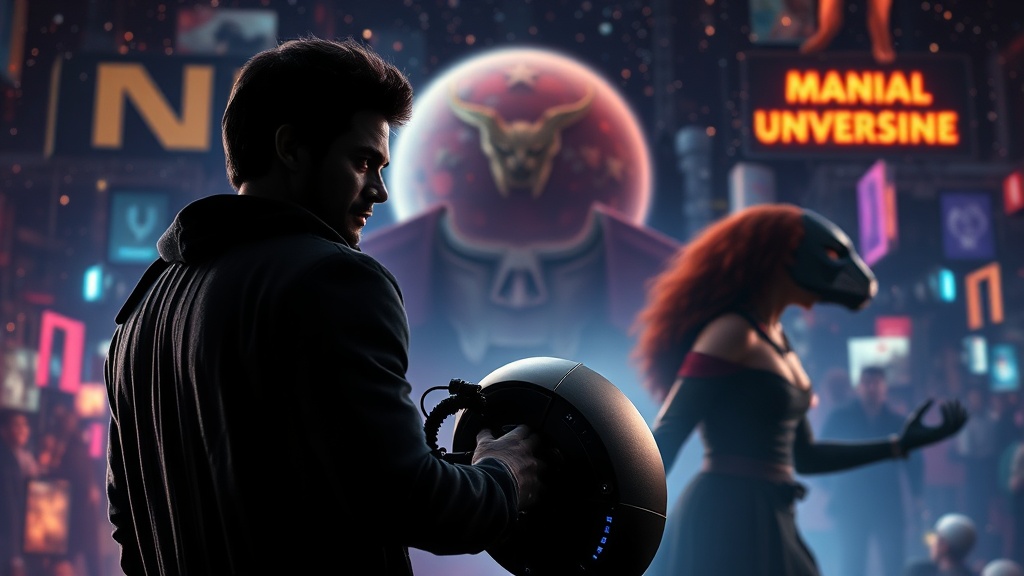
Why Do We Keep Watching the Same Cinematic Universes?

Have you ever sat in a dark theater, watching a sequel or a spin-off, and wondered why you keep coming back to the same characters and worlds? It isn't just habit or nostalgia—it's a calculated psychological hook. Modern filmmaking has moved away from the standalone story and toward the "extended universe" model, where every single movie feels like a chapter in a much larger book. This shift affects how studios greenlight projects and how we, as audiences, consume media.
The current state of the entertainment industry is dominated by intellectual property (IP) that feels infinite. We aren't just watching a movie; we're participating in a world. Whether it's the interconnected webs of superhero sagas or the sprawling timelines of high-fantasy series, the goal is to make the viewer feel like they've missed something if they skip even one installment. This creates a sense of urgency and a constant need to stay "current" with the latest release.
Is Cinematic Interconnectivity Actually Good for Storytelling?
There's a fine line between a cohesive world and a cluttered one. When a director builds a universe, they're building a foundation. If the foundation is strong, the spin-offs feel earned. If it's weak, the whole structure collapses under the weight of its own lore. One of the biggest criticisms of modern blockbusters is that the stakes feel lower because we know a "reset" or a "reboot" is always just one production cycle away.
Consider the way studios handle character arcs. In the past, a hero's journey had a clear beginning, middle, and end. Now, a hero's journey might span ten years and fifteen different media appearances. This can lead to "franchise fatigue," a term frequently used by critics when a series starts feeling like a chore rather than an event. When the plot points become too reliant on things that happened in a different movie three years ago, the casual viewer gets left behind. You can see the discussions on this at The Hollywood Reporter, where industry analysts often debate whether the era of the "event movie" is dying under the weight of endless sequels.
How Do Fan Theories Shape Future Scripts?
The relationship between the creator and the consumer has changed. It's no longer a one-way street where the studio releases a film and the audience watches it. Today, the audience watches the film, goes to Reddit, dissects every frame, and publishes a theory. Studios aren't just ignoring these discussions; they are watching them. We've seen instances where subtle nods to fan theories in a mid-credits scene can drive massive social media engagement.
This creates a feedback loop. If a certain character becomes a cult favorite through online discussions, the studio might pivot to give that character a standalone series. It's a way to minimize risk—if the internet loves a character, the investment is safer. However, this can also lead to predictable storytelling. If writers are too busy catering to what the fans are shouting for, they might lose the ability to surprise the audience with something truly unexpected or subversive.
What Makes a Franchise Feel Worth the Time Investment?
A successful franchise needs more than just a recognizable logo. It needs a sense of internal logic. When we watch a series, we want to believe that the rules of that world remain consistent. If a character can suddenly gain a new power without explanation, it breaks the immersion. The best cinematic universes feel like they have a pulse—they breathe and evolve naturally, rather than feeling like they're being dragged along by a marketing schedule.
Look at the success of long-running franchises on platforms like IMDb. The most highly-rated ones often share a common thread: they respect the viewer's intelligence. They don't just hand out answers; they provide clues. This makes the act of watching feel like an investigation. It turns a passive activity into an active one. When a studio manages this balance, they create something that transcends a single movie and becomes a cultural touchstone.
The danger, of course, is over-saturation. When a brand is everywhere—from the big screen to mobile games to coffee mugs—the magic begins to fade. The sense of wonder is replaced by a sense of exhaustion. A well-crafted story should feel like a special occasion. If it's just another piece of content in a never-ending stream, it loses its ability to move us. The challenge for the next decade of filmmaking will be finding a way to keep these worlds alive without draining the life out of them.
Does the Rise of Streaming Kill the Theatrical Experience?
We're seeing a massive tug-of-war between the big screen and the living room. While streaming services offer convenience, they often lack the communal energy of a theater. A movie is meant to be an experience, but when it's consumed as part of a "binge-watch" session, the emotional impact can be diluted. The pacing of a theatrical release is designed to hold your attention, whereas streaming-era content often feels designed to be consumed quickly and forgotten.
The shift toward "content" rather than "cinema" is a significant talking point in the industry. If a film is viewed as just another block of data to fill a subscription, the artistry can suffer. We need to ask ourselves if we're okay with the loss of the traditional theatrical window. If the goal is to build a massive, interconnected universe, does it even matter if we see it in a theater or on a phone? The answer to that question will define the future of how stories are told and how we, as viewers, experience them.