Why Are Streaming Services Changing How We Watch Movies?

The Shift in Modern Cinema Consumption
Have you ever noticed how a movie that felt like a massive event just a few years ago now feels like just another thumbnail on your home screen? The way we experience stories has shifted from a communal, scheduled event to a solitary, on-demand convenience. This change isn't just about how we access content; it's about how the very structure of filmmaking is being altered by the platforms that host them. We're seeing a fundamental change in pacing, storytelling, and even the way much of the industry's talent is compensated.
The transition from traditional cinema to digital-first models has created a new reality for both creators and viewers. While the convenience of having a massive library at your fingertips is undeniable, there's a growing conversation about what we lose in the process. Is the "watercooler moment" dying because we're all watching different things at different times? It's a question that many industry analysts are asking as the old rules of theatrical windows continue to dissolve.
Is the Big Screen Experience Dying?
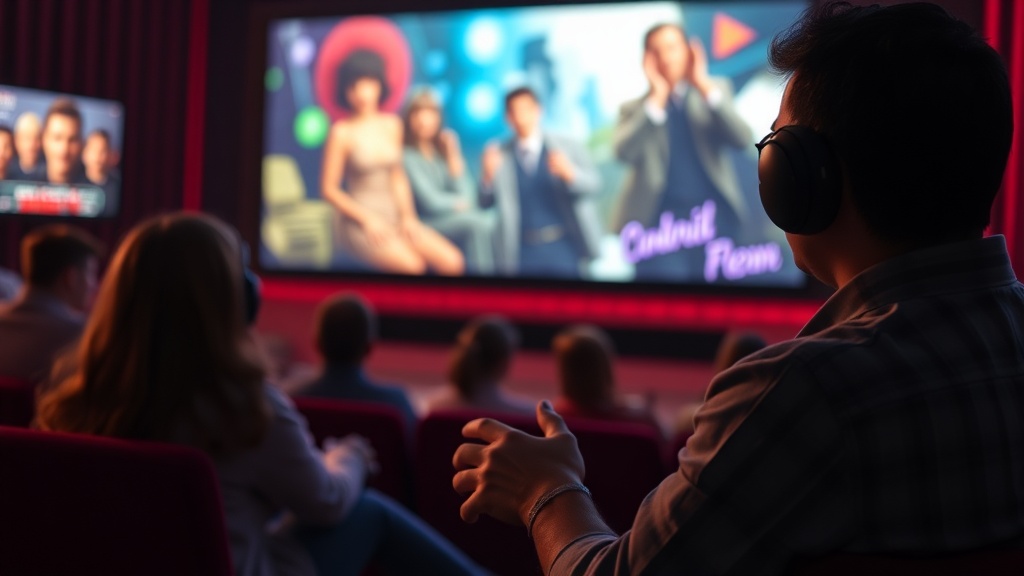
One of the biggest questions being tossed around in film circles is whether the theater experience can survive the onslaught of high-quality home streaming. It used to be that if you wanted to see a blockbuster, you had to go to a theater. Now, with the rise of high-bitrate streaming and massive 4K televisions, the gap between the cinema and the living room is shrinking rapidly. This isn't just about the screen size, though; it's about the ritual of going out.
When you go to a theater, you're making a commitment. You're sitting in the dark with strangers, following a single narrative path. Streaming, by contrast, encourages multitasking. We often find ourselves pausing a film to check a text or scrolling through a phone while a slow scene unfolds. This fragmented way of watching changes our emotional connection to the story. According to reports from Variety, the window between a theatrical release and a digital premiere has shrunk from months to sometimes just a few weeks, or even days. This shift impacts how much money a film can make in its initial run and how much it relies on word-of-mouth via social media rather than traditional reviews.
However, it's not all bad news for the medium. The accessibility of streaming has allowed niche genres and international films to find much larger audiences than they ever could have in a traditional theatrical model. A Korean thriller or a Spanish mystery can become a global phenomenon overnight because the barriers to entry have been lowered. The digital world allows for a level of discovery that a physical theater simply can't match.
Why Are Movie Lengths Changing?
Have you noticed that many modern films seem to be getting shorter, or perhaps more modular? There's a theory that the attention span of the average viewer is being shaped by the rapid-fire nature of short-form content. This isn't just a guess—the data suggests that streaming platforms favor content that can be consumed in chunks or, conversely, massive episodic-style "spectacles" that keep people subscribed.
- The Rise of the Mid-Budget Film: Traditionally, Hollywood relied on mid-budget dramas and comedies to fill the gaps between blockbusters. These seem to have largely vanished from theaters and moved to streaming services.
- Algorithm-Driven Narratives: There's a fear that writers are now subconsciously (or explicitly) writing to satisfy an algorithm. If a certain type of character or plot beat keeps viewers from clicking away, the platform's data will reflect that, and future projects might lean into those tropes.
- The Death of the Three-Act Structure: While many films still follow the traditional path, many digital-first productions feel more like long movies with frequent "breaks" or cliffhangers, designed to keep the viewer engaged in a single sitting.
This evolution isn't just about length; it's about the density of the story. In a world of infinite choice, a film has to grab you immediately. The "slow burn" is becoming a harder sell when a thousand other options are just one click away. This pressure to provide instant gratification can sometimes lead to a lack of depth, where the plot moves too quickly to allow for real character development.
How Does Streaming Impact Film Budgets?
The economics of the industry are in a state of flux. In the old days, a studio's success was measured by the box office. Today, a streaming service might consider a film a success if it drives new subscriptions or reduces churn (the rate at which people cancel their service). This is a completely different metric for success. It means that a film doesn't necessarily need to be a "hit" in the traditional sense to be considered a win for the company.
This shift has massive implications for how much talent gets paid. When a film is a theatrical hit, there are backend percentages and residuals that can change lives. In the streaming era, these structures are much more opaque. For more detailed looks at how media shifts affect the economy, sites like The Hollywood Reporter offer deep dives into the changing contracts of the modern era.
We're also seeing a change in how marketing works. Instead of a massive, coordinated global campaign, digital marketing allows for more targeted, data-driven approaches. A studio can know exactly which demographic is likely to enjoy a specific indie film and target them with surgical precision. While this is efficient, it also means that many great films might never find their audience because they didn't fit the specific "profile" the algorithm was looking for.
Ultimately, the way we consume film is a reflection of the world we live in: fast, digital, and deeply personalized. Whether this leads to a more diverse range of stories or a more homogenized, algorithm-friendly output is still up for debate. What's certain is that the era of the monolithic, universal movie-going experience is behind us, replaced by a fragmented, endlessly customizable digital landscape.