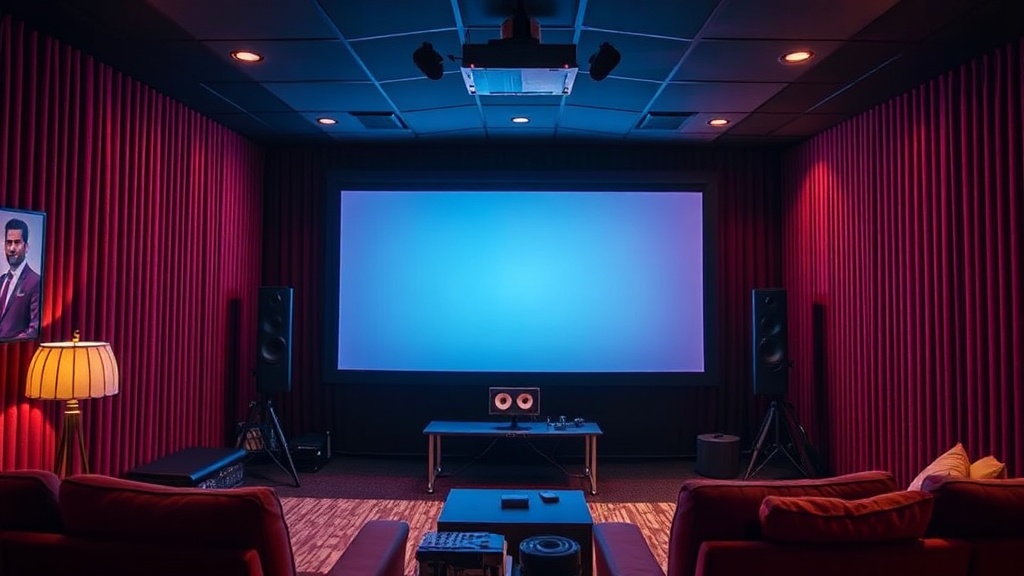
Ways to Build a Professional Home Cinema Setup

Everything You Need to Know About Home Theater Setup
You'll learn how to select the right hardware, configure your room acoustics, and optimize your viewing environment for a cinema-grade experience. Creating a high-end viewing space isn't just about buying an expensive TV; it's about the synergy between light, sound, and space. If you want to watch a blockbuster and feel like you're actually sitting in a darkened theater, you need to focus on the technical details that most casual viewers overlook.
Most people start by looking at a screen, but they forget that sound is actually half of the experience. A massive 85-inch display is useless if the audio is thin or distorted. We're going to look at the hardware requirements, the physical layout of your room, and the subtle adjustments that make a massive difference in how you perceive a film's scale.
What Kind of Projector or TV Should You Choose?
The debate between high-end OLED televisions and long-throw projectors is constant. If your room has controlled lighting—meaning you can black out the windows completely—an OLED display offers incredible black levels and per-pixel control. These screens provide that "pop" that makes high-contrast scenes in movies like Dune or The Batman look spectacular. However, if you have a large, open-plan living area, a projector might be your best bet. A high-quality projector can cast a much larger image than most consumer TVs, even if the contrast isn't quite as sharp.
When choosing, look at the light output and the native resolution. You want a device that supports HDR (High Dynamic Range) standards like Dolby Vision or HDR10+. This ensures you're seeing the colors exactly as the director intended. You can check out the latest technical specifications and testing from sites like Rtings to see how different models perform in real-world brightness tests. Don't just trust the marketing on the box; look at the actual brightness-to-contrast ratios.
How Do You Set Up the Perfect Sound System?
Sound is where many home setups fail. You might have a stunning picture, but if your audio is coming from a single soundbar, you're missing the spatial cues that a director uses to build tension. A true cinematic experience requires a multi-channel approach. While many people start with a 2.1 setup, aiming for a 5.1 or 7.1 surround sound configuration will change everything. This involves placing speakers behind or beside you to create a sense of directionality.
The placement of your subwoofer is also a major factor. Low-frequency effects (LFE) are what make a theater seat shake during an explosion. If your subwoofer is tucked in a corner, it might sound "boomy" or muddy. Try to place it where it can provide even distribution throughout the room. For those who want to get serious, look into Dolby Atmos. Atmos adds height channels—speakers that fire sound up toward the ceiling or are built into the ceiling—to create a 3D audio environment. This allows sounds like a helicopter-flying-overhead to actually feel like they are moving through the air above your head.
The Importance of Room Treatment
Your room's shape and materials affect your audio and visual quality more than you think. Hardwood floors and large windows create echoes (reverberation) that can make dialogue sound muddy. To combat this, you might consider using rugs, heavy curtains, or acoustic panels. These aren't just for "audiophiles"; they are practical tools to ensure your sound doesn't bounce off the walls and create a chaotic mess. A well-treated room allows the subtle details in a film's score to shine through without interference.
Lighting Control and Ambient Light
Light is the enemy of a good picture. If you have a lamp or a window nearby, it will wash out the blacks on your screen, making the image look gray and dull. To get the best out of your equipment, you need to control the environment. Blackout curtains are a simple but effective tool. Even if you aren't watching in total darkness, having a dim, indirect light source can prevent eye strain. However, the goal is to minimize light hitting the screen directly. This preserves the depth and the intended color palette of the film.
| Component | Focus Area | Primary Goal |
|---|---|---|
| Display | Resolution & Contrast | Visual Immersion |
| Audio | Spatial Positioning | Directional Sound |
| Environment | Light & Acoustics | Reduced Interference |
Setting up a home cinema is a process of layering. You start with the core hardware, then you refine the environment, and finally, you calibrate the settings. It's not a one-and-done task. You'll likely spend your first few weeks adjusting the brightness, the bass levels, and the speaker angles. This iterative process is what separates a basic TV setup from a true home theater experience. If you're looking for deeper insights into how much gear you actually need, the AVS Forum is a great place to see what enthusiasts are using in their own setups.