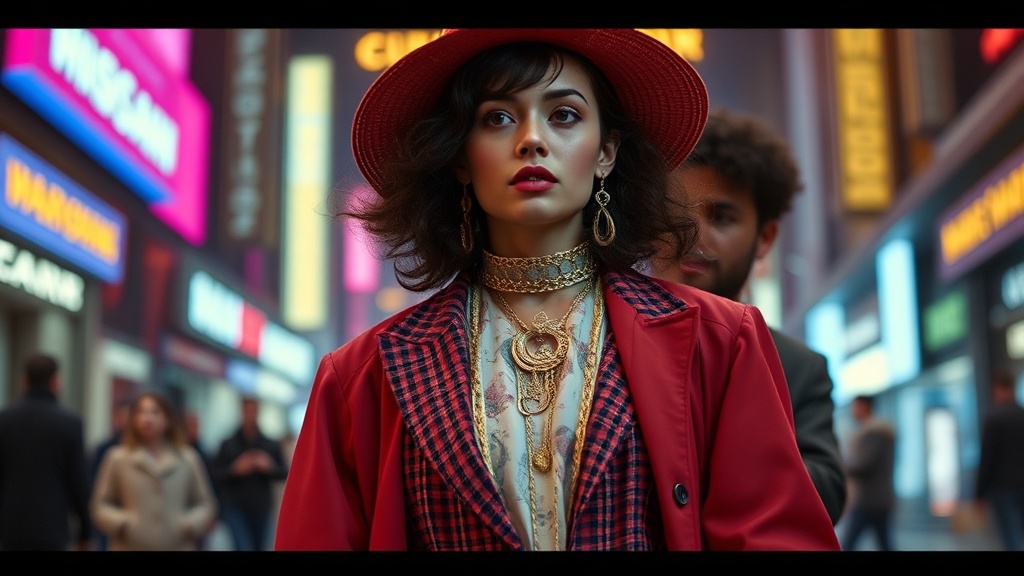
Threads of Influence: 10 Cinematic and Musical Looks That Rewrote Fashion Rules

How do specific cinematic costumes transcend the screen?
Ever wondered how a single outfit on screen or stage can reshape an entire generation's wardrobe? It happens more often than you might think. From the silver screen's most iconic characters to music video trailblazers, certain sartorial statements don't just dress a performance—they launch cultural movements. This piece dives into ten pivotal fashion moments from film and music that didn't just turn heads; they fundamentally altered how we express ourselves through clothing, proving that style is a powerful, visual language all its own.
A character’s clothing in a film isn't just about authenticity; it’s about aspiration, identity, and sometimes, pure rebellion. When designers craft these looks, they're not just thinking about the plot; they're often tapping into or inadvertently creating the very zeitgeist. Think of how certain film costumes become instant Halloween staples or inspire entire runway collections. It’s a testament to their lasting impact, shifting from mere fabric and stitches into something truly symbolic. These aren’t just clothes; they’re cultural shorthand.
1. Audrey Hepburn's Little Black Dress in Breakfast at Tiffany's (1961)
Could any garment be more iconic? Hubert de Givenchy’s simple, elegant black sheath dress, paired with pearls and long gloves, became synonymous with sophisticated glamour thanks to Audrey Hepburn’s portrayal of Holly Golightly. Before this, the little black dress was a versatile wardrobe staple, but Hepburn made it an emblem of chic, effortless cool. Its enduring appeal lies in its simplicity and adaptability—it’s a look that’s been copied, referenced, and revered for decades, proving that less really can be more. It taught women that elegance didn’t require ostentation, just immaculate taste.
2. Marlon Brando's Leather Jacket in The Wild One (1953)
Brando’s Johnny Strabler, with his leather jacket, faded jeans, and sullen demeanor, didn't just play a rebel; he became the blueprint for one. This look wasn't about high fashion; it was about attitude and an anti-establishment stance that resonated deeply with post-war youth. The black leather jacket, once practical wear for motorcyclists, transformed into a powerful symbol of defiance and cool. It launched countless imitations and solidified its place as an absolute must-have for anyone wanting to project a bit of danger and independence. You can still see its echoes today in rock 'n' roll and subculture fashion.
3. The Beatles' Mod Suits (Mid-1960s)
When The Beatles burst onto the scene, their sharp, collarless suits, slim ties, and mop-top haircuts weren't just a band uniform; they were a sartorial revolution. This clean, tailored aesthetic—dubbed 'Mod'—offered a stark contrast to the leather-clad rockers and the more casual styles that preceded it. It introduced a new era of pop elegance and proved that male fashion could be sleek, modern, and exciting. The Mod look was quickly adopted by legions of fans, influencing menswear across the globe and solidifying the band's status as cultural innovators beyond just their music.